



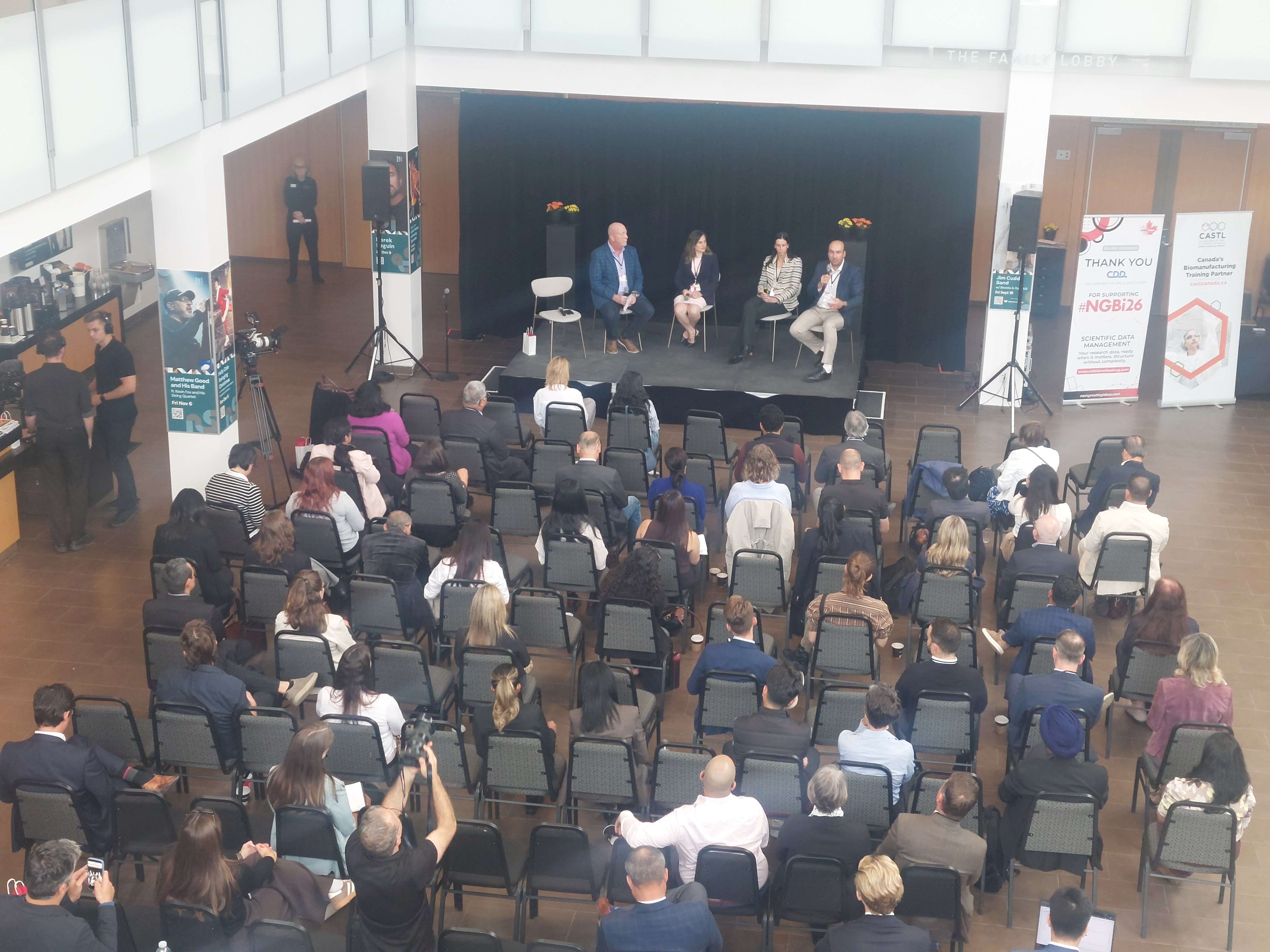
On September 28 and 29, I joined leaders, innovators, founders, and investors from across Canada at the Next Great Big Ideas Summit in Burlington. Held at the Burlington Performing Arts Centre, the conference is geared toward helping founders of early-stage life sciences start-ups connect with the investors, expertise, and ecosystem support they need to move their ideas forward. The conference also serves a larger purpose as a fundraising event for MacKids, the fundraising arm of Hamilton Health Sciences Foundation dedicated to McMaster Children’s Hospital.
A Different Kind of Life Sciences Conversation
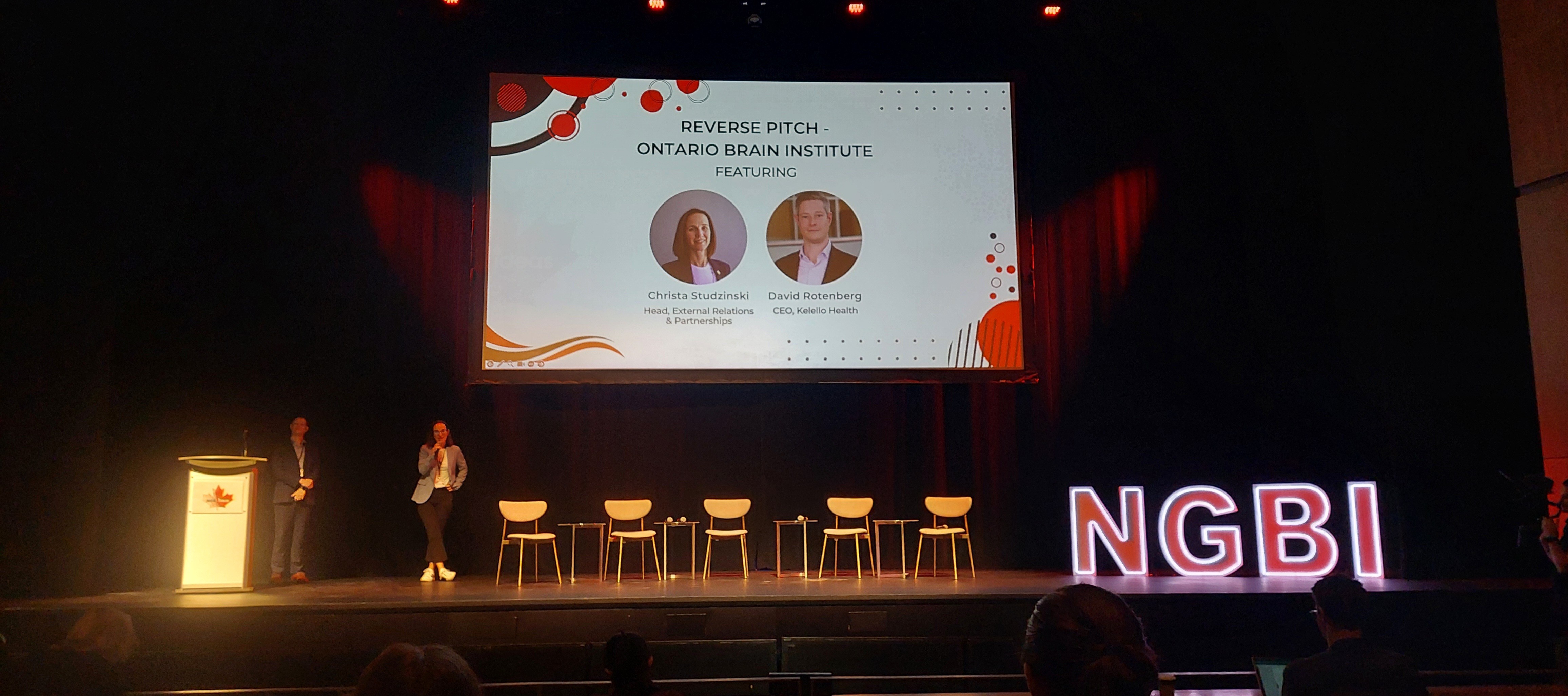
One of the summit’s new innovations was its reverse-pitch format. Rather than hearing only from companies seeking capital, we heard investors and portfolio companies present together. Investors explained why they chose to make a deal, while founders shared how they prepared, what resonated, and what the investment enabled. The result was a practical view of both sides of the funding conversation, and a rare look at how strong science becomes an investable story.
Commercial Success Requires More Than Good Science
A recurring message was that “safe and effective” does not automatically mean commercially successful. Investors need a clear, credible story: Who is the customer? What market problem is urgent enough to solve? Where does the product perform best, and does that strength align with a genuine need? Scientific excellence remains essential, but it must be paired with a focused value proposition, a realistic path to adoption, and evidence that the team understands its market.
In addition to this sound advice to “know your story”, other guidance offered to Canadian founders included the recommendation to leverage your network (as capital, talent, customers, and partnerships rarely emerge in isolation), and the simple encouragement to dream bigger and move faster (as being late to market can sometimes mean missing the opportunity altogether).
Closing the Capital Gap from Seed to Scale
A recurring theme of the conference was the need for stronger funding, mentorship, and support for Canadian founders. The transition from seed funding to Series A remains especially challenging, with Canadian companies often facing smaller rounds and longer fundraising timelines than their U.S. peers. One initiative designed to address this early-stage gap is the new Genesys University Seed Fund, a $40 million partnership involving the University of Toronto, McMaster University, Venture Ontario and Genesys Capital. By providing seed investments of up to $1 million and supporting companies across multiple stages of growth, the fund aims to replace a fragmented, stage-by-stage financing model with a more continuous path from promising idea to scalable venture.
The Canadian Opportunity
Toronto ranks among the world’s leading medical research centres, supported by assets such as the MaRS Discovery District and the Toronto Academic Health Science Network. Canada produces world-class science; the challenge is converting more of that science into world-class companies.
The NGBi summit was a timely reminder that Canada’s advantage lies not only in the quality of our research, but in the strength of our life sciences ecosystem that helps promising ideas reach patients and markets. At SPHERE, I’m proud to contribute to this ecosystem by helping life sciences innovators advance discoveries from the lab to the clinic through clinical research - turning promising ideas into solutions that can improve patient care.
Key Takeaways
- Advice for founders of early-stage life sciences start-ups: dream big, move fast, know your customer, use your network, and tell your story.
- There is a renewed effort to close the funding gaps for Canadian companies to support the transition from seed to scale and from lab to clinic.
- Toronto is a global leader in medical research, with a strong and supportive life sciences ecosystem.
- Collaboration across universities, hospitals, investors, industry, and global markets can turn strong Canadian science into enduring successful companies.
Conflict of Interest Disclosure: Rachel Friedrich is the Sales Development Partner in Research for SPHERE CRO.